

(FROM UNGVANGUARD. WRITTEN BY DAMIAN DUSTEN)
For some college students, an energy drink can feel like the easiest way to make it through an early class, a long shift or a late-night study session. However, the boost students feel may come with effects that can have a negative impact on one’s health.
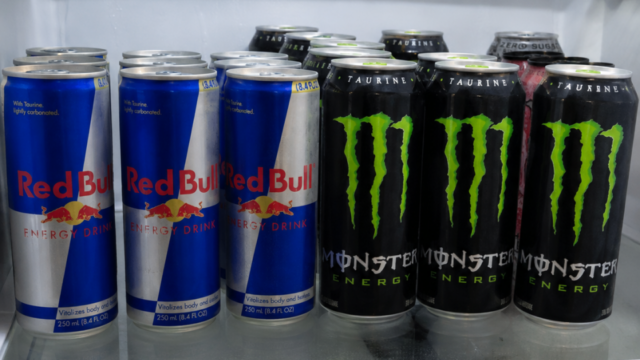
At the University of North Georgia (UNG), students can be seen carrying energy drinks to class, work and the gym. Gaven Barker, an assistant professor of kinesiology at UNG, said the effects of drinking them regularly depend on the product, the amount consumed and how often a person drinks them.
“Typically, the biggest effects are sleep disruption,” Barker said. He added that caffeine can elevate heart rate or blood pressure, depending on the dose, and may cause anxiety, jitters, headaches and gastrointestinal discomfort in some people.
Barker also said many energy drinks are high in sugar, which students should consider when reading product labels.
A 2023 systematic review and meta-analysis published in the journal Nutrition examined 71 studies on energy drink use among undergraduate students. Researchers estimated that 42.9% of undergraduates consumed energy drinks. Studying, staying awake and participating in physical activity were among the most common reasons students reported using them.
Barker said ingredients other than caffeine and sugar are not automatically harmful on their own. The larger concern is how much of a product a person consumes.
“Anything can negatively affect somebody’s health if you eat it too much,” Barker said. “If you’re consuming a ton, then obviously that’s going to be the issue.”
Energy drinks are often used to fight fatigue, but Barker said caffeine does not solve the reason a student is fatigued. Instead, it can temporarily cover up the feeling.
Barker said caffeine does not eliminate fatigue, explaining that it “honestly just somewhat masks your fatigue.”
Students that constantly depend on caffeine should look beyond the drink and consider what is causing their exhaustion. Sleep, stress, nutrition and diet can all play a role in how a person feels throughout the day.
Barker said drinking an energy drink is not inherently bad, but chronic use and overconsumption can become a problem. Rather than treating caffeine as the only answer, he recommends that students take a broader look at their health.
“If you find yourself constantly relying on caffeine in order to get you through the day, the question then becomes: How can we holistically approach your health and not just look at caffeine?” Barker said.
For students, the key may be to drink caffeine and energy drinks in moderation and understand why they feel tired in the first place. Energy drinks can provide a temporary boost, but they should not replace healthy sleep, nutrition and healthy habits overall. Before reaching for another energy drink, students may want to ask themselves whether they actually need it.