

Millions of older adults on Medicare prescription drug coverage could face steeper monthly costs in 2027, after the Trump administration concludes a temporary subsidy program that has helped offset premiums for the past two years.
The Centers for Medicare & Medicaid Services (CMS) this week announced it would wrap up the program, which was initially implemented by the Biden administration in 2024 to lower patients’ Medicare Part D prescription drug costs in response to effects of the 2022 Inflation Reduction Act.
While federal officials insist the financial impact on Medicare beneficiaries will be minimal, the decision opens the Republican-led administration to potential political consequences in a high-stakes midterm election year. Voters have identified cost of living as a top concern, and many older adults, who tend to vote in high numbers, are on fixed incomes where every dollar counts. The roughly 25 million Americans with Medicare Part D plans will find out about their 2027 rates in the fall, when they are casting ballots in November’s elections.
Democrats slammed CMS’s move as part of a pattern of federal attacks on healthcare affordability, alongside federal Medicaid cuts and the expiration of Affordable Care Act subsidies that had reduced premium costs for working-age Americans in that program.
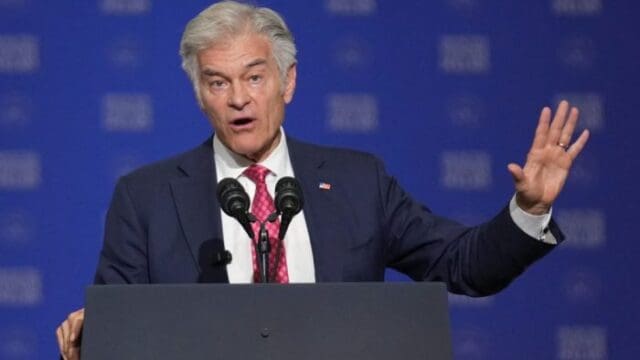
CMS Administrator Dr. Mehmet Oz on says ending the subsidy program would prevent billions of taxpayer dollars from being funneled to insurance companies. It cost the agency an estimated $3.6 billion in 2026.
He said most Medicare beneficiaries would see less than a $10-per-month increase, and some would even see lower premiums than beforehand.